
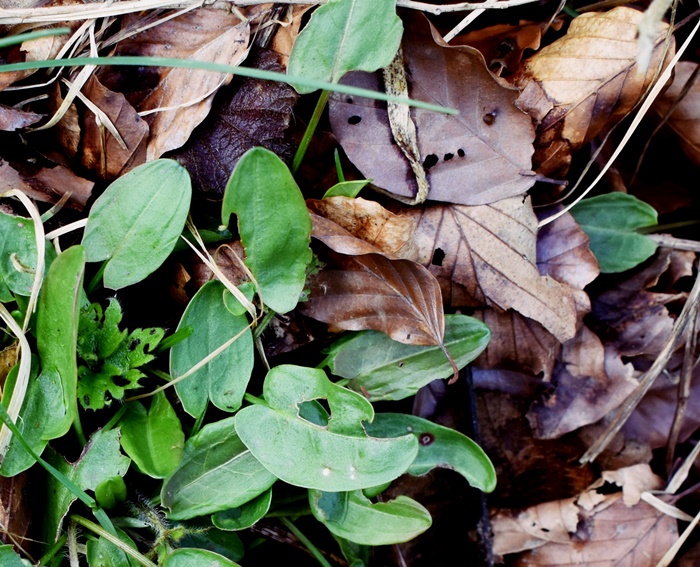
At last Spring is on its way, and you can see signs of it everywhere, from the new nettles, dandelions and ground elder that are starting to cover the forest floor.
Another important little plant to find amongst the others, more well known wild edibles, is sorrel, AKA Rmex acetosa.
Part of the Dock family, this delicious little plant has distinctive leaves that remind a bit a smaller version of Italian Lords and Ladies (Arum italicum). The leaves are lanceolate with two sharp “wings” below the base here the leaf meets the petiole (unlike Lords and Ladies that have curved wings), and it grows in a basal rosette unlike Bindweed that has a trailing manner.
Culinary
According to Wikipedia “Common sorrel has been cultivated for centuries. The leaves are edible when young but toughen with age; they may be puréed in soups and sauces or added to salad. In India, the leaves are used in soups or curries made with yellow lentils and peanuts. In Afghanistan, the leaves are coated in a wet batter and deep fried, then served as an appetizer or if in season during Ramadan, for breaking the fast. In Armenia, the leaves are collected in spring, woven into braids, and dried for use during winter…Throughout eastern Europe, wild or garden sorrel is used to make sour soups, stewed with vegetables or herbs, meat or eggs.”
Common sorrel has a distinct sharp, bright, zingy taste that activates the saliva glands in the mouth, literally making your mouth water as you bite into its crunchy fresh leaves! The acidity however comes from oxalic acid, which can be dangerous in high quantities. Consuming sorrel regularly should be avoided if you have joint or bladder issues, are taking any blood thinners, have joint issues or bladder stones. Don’t worry though, it takes a very large amount of sorrel to cause any damage and chances are you can’t use up that much in one go anyway.
Medicinal
Sorrel also has some medicinal qualities. According to PFAF “
The fresh or dried leaves are astringent, diuretic, laxative and refrigerant… The leaf juice, mixed with fumitory, has been used as a cure for itchy skin and ringworm[4]. An infusion of the root is astringent, diuretic and haemostatic. It has been used in the treatment of jaundice, gravel and kidney stones. Both the roots and the seeds have been used to stem haemorrhages. A paste of the root is applied to set dislocated bones. The plant is depurative and stomachic. A homeopathic remedy is made from the plant. It is used in the treatment of spasms and skin ailments.”
Folklore
The Romans and Greeks used to nibble the leaves after overeating as it was thought to help with digestion.
 (Fer)mental Greens