
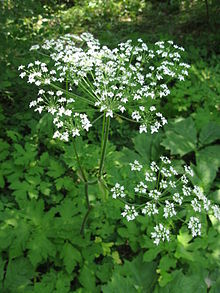
Among all the greeneries that I found on my forage cycle last week was common hogweed AKA Cow parsnip, Heracleum sphondylum. A lovely green, with a fantastic flavour that doesn’t even need salt, commo hogweed is a must in your kitchen as a forager.
HOWEVER, common hogweed is in the carrot family, that as we mentioned earlier, has dangerous relatives. For Common Hogweed that dangerous relative is Giant Hogweed, Heracleum mantegazzianum.
Why is giant hogweed so dangerous? The sap contains certain chemicals that cause extreme photosensitivity. So when the sap falls on your skin and your skin gets a bit of sunlight on it, you can get second and third degree burns, and depending on the area it has affected, the condition could be lethal.
That, combined with the fact that it is young common hogweed shoots that we are after as they are the most palatable and delicious parts of the plant, and the fact that they can look very similar to young giant hogweed shoots, can make us scared of ever trying this spring delicacy.
There are however differences when the two are examined up close, even when young.
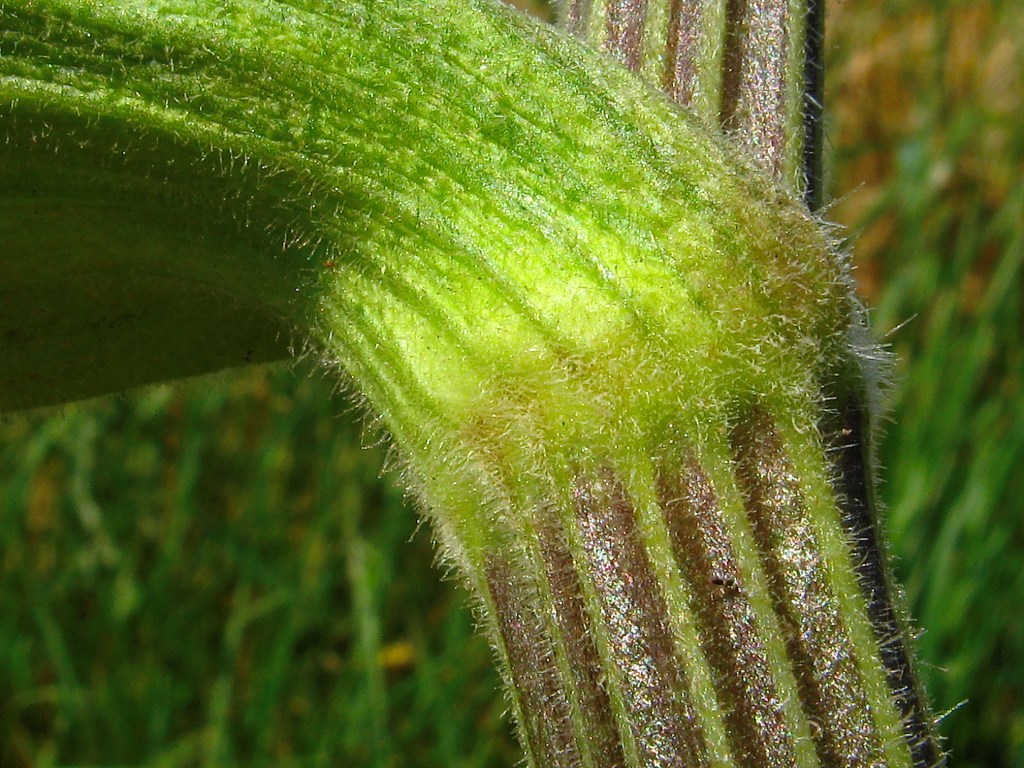
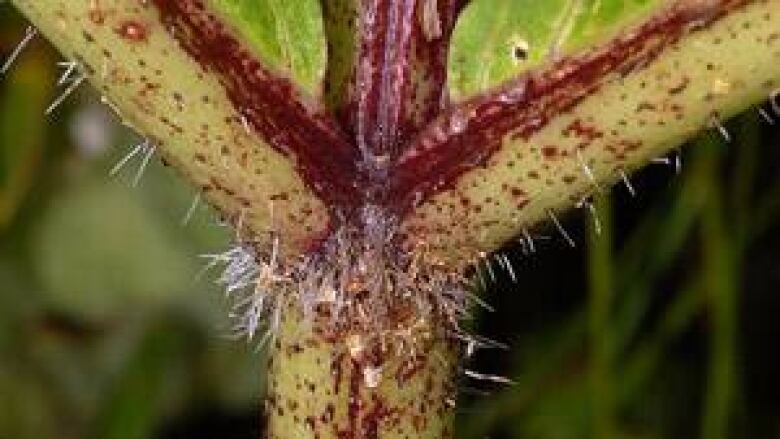
- Examine the leaves. Common hogweed leaves are rounder and have a fine downy appearance due to the many small hairs that cover them. The stem also has many fine hairs. Giant hogweed leaves are pointier, much less hairy and the hairs on the stem are more like bristles.
- Examine the environment around you. Giant hogweed ALMOST ALWAYS grows next to water.
- Examine the stem. In common hogweed the stem has a uniform green-purple color and fine hairs, is hollow and has and grooves. In giant hogweed the stem is covered in bristles, has purple blotches along the green stem and is hollow and smooth.
Medicinal uses
According to PFAF “The roots and the leaves are aphrodisiac, digestive, mildly expectorant and sedative. The plant is little used in modern herbalism but has been employed in the treatment of laryngitis and bronchitis[9, 238]. A tincture made from the aerial parts of the plant has also been used to relieve general debility, though it is uncertain how it works. The plant is harvested as it comes into flower and can be dried for later use.”
Folklore
Common hogweed sap was used in traditional Irish medicine to treat sores and warts. The stalk was also used as a straw to drink!
Culinary
Common hogweed has a truly delightful taste that to some is reminiscent of asparagus. To me it didn’t taste of asparagus but it had its own beautiful, delicate aromatic taste that I had never tasted before. When the stalks are dried, a sugar substitute forms on them that is considered a delicacy. The young unopened flower buds can be eaten instead of broccoli an even the roots can be prepared! What a versatile plant!
Check out a common hogweed shoots recipe here and let me know what you cook with it!
❤
 (Fer)mental Greens