
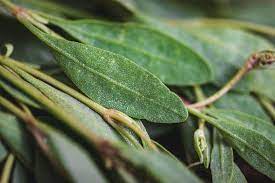
Going over the website during these cold months, getting rid of the old, correcting the ones that need fixed and making space for the new, I found out that I had not made a post of a humble but delicious coastal green- sea purslane.
Fleshy, salty with a kick and a certain leafy sturdiness that offers itself to stir frying as well as boiling, it is one of the few things to forage in January and its bright flavour can zazz things up for you in your midwinter meals (check out this recipe for sea purslane pesto!)
But first things first-
History
“Linnaeus described Atriplex portulacoides in 1753, but the position of this taxon was then revised by Moquin-Tandon, placing it under the genus Obione, and finally it was separated into the new genus Halimione by Aellen”. Aside from the fact that the plant was eaten for thousands of years on coastal areas, there is not much recorded history or folklore associated with it.
Identification
Sea purslane grows in clusters in sandy and marshy areas with high salinity all over the UK as well as in the Mediteranean basin. The leaves are spoon shaped when young becoming more oval and pointy as they get older and the colour ranges from an olive-green to green with red/purple tinges.
Medicinal
Sea Purslane had a reputation in folk medicine as a remedy for menstrual problems, uterine disorders and bloating however it is contra-indicated to use it while pregnant or breast-feeding. The leaves are good for human and animal health as they contain important micronutrients like zinc, iron, copper, and cobalt.
Culinary
The salty, fleshy leaves make excellent pickles when boiled quickly in salted water, left in vinegar overnight and then covered in olive oil with a couple of garlic cloves. This recipe is one from my childhood and it keeps the leaves in a nice crisp condition to add to salads, soups and risottos for at least one year.
Another culinary use for sea pursplane would be to dehydrate the leaves and make a coastal salt, rich with the iodine notes of the sea that would be sprinkled on risottos and pasta to give it that certain marine je-ne-s’est-qua.
Lastly, you should play around with sea pursplane paste as a pesto or even a pate- simply pestle-and-mortar it into a paste with some garlic, anchovy fillet, lemon juice and olive oil and voila! Serve on freshly toasted sourdough bread or spread it on fish before baking it for a nice crust.
Enjoy <3
 (Fer)mental Greens