
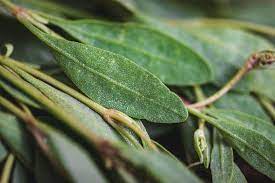
Going over the website during these cold months, getting rid of the old, correcting the ones that need fixed and making space for the new, I found out that I had not made a post of a humble but delicious coastal green- sea purslane. Fleshy, salty with a kick and a certain leafy sturdiness thatContinueContinue reading “Sea Purslane- Halimione portulacoides“
Category Archives: Foraging
Hawthorn- Crataegus monogyna
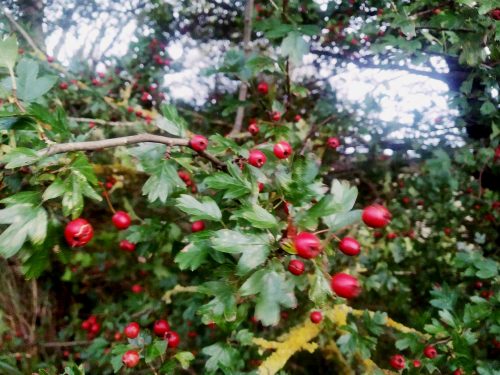
Autumn is here and you can feel it in the air, in the wet mornings, in the fallen yellow leaves becoming the mulch for the new plants to emerge from it, from the faint smell of some early and eager wood burning stoves warming their masters. With autumn comes an abundance of wild fruits andContinueContinue reading “Hawthorn- Crataegus monogyna”
Sea Aster- Tripolium pannonicum
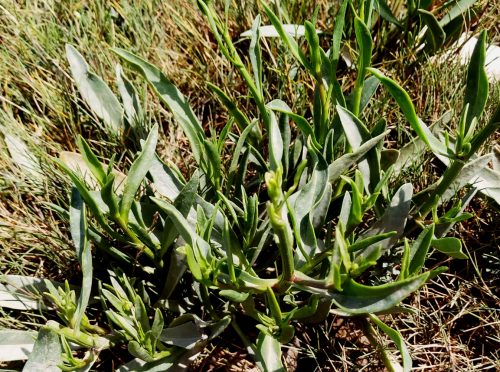
On my foraging walk last week in Silverdale, I happened upon a lovely coastal plant called Sea Aster (Tripolium pannonicum). The name of the plant come from the Greek “‘Αστρᨔ which means “star” because of the shape of the flowers that look like stars. Growing prolifically on the shore inbetween rocks, sea aster is characterisedContinueContinue reading “Sea Aster- Tripolium pannonicum”
Elder- Sambucus nigra
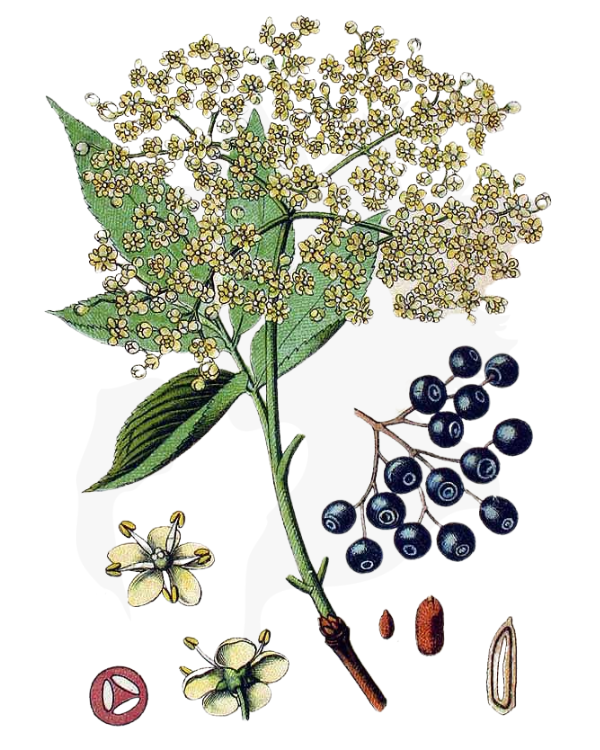
One of the most rewarding things to forage in early summer are the flowers of the Elder (Sambucus nigra) tree. The tree got its name from the Angelo-Saxon word ‘aeld’, which means “to kindle” or “fire.” It got its name because hollowed-out elderberry stems were used to blow on kindling from a safe distance. WeContinueContinue reading “Elder- Sambucus nigra”
Ground elder- Aegopodium podagraria
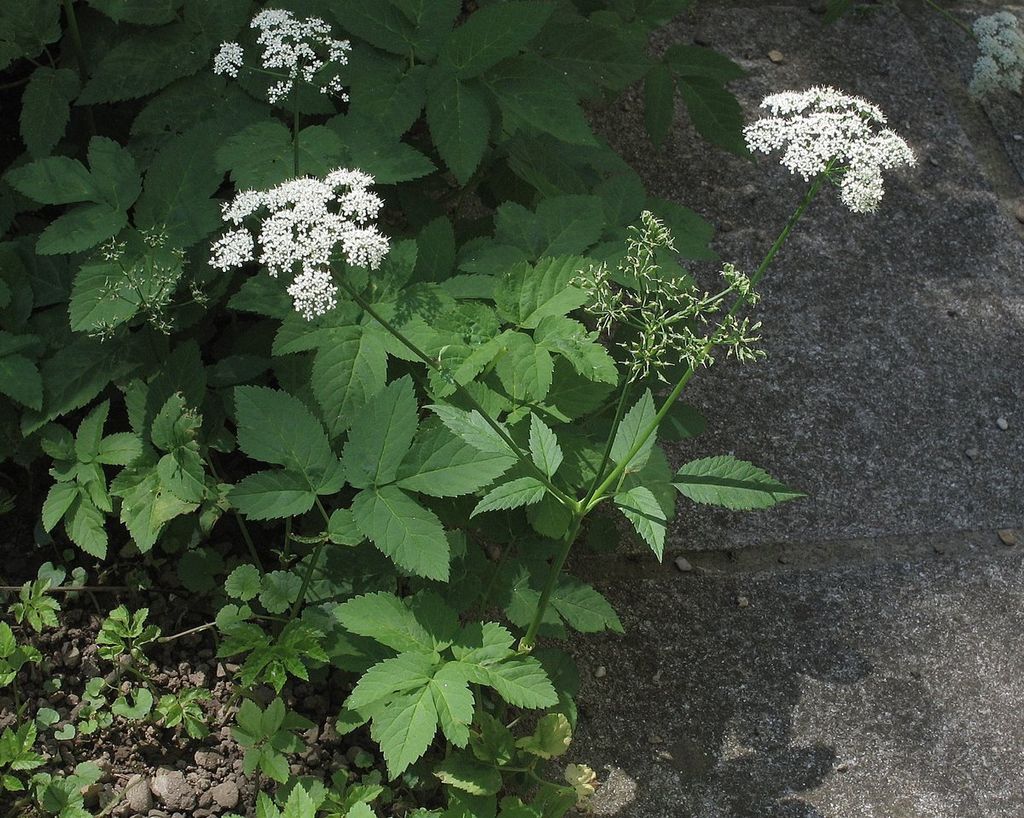
ite about it until now. Ground elder, which is in the parsley family, is also known as Aegopodium podagraria, herb gerard, bishop’s weed, goutweed, gout wort, snow-in-the-mountain, English masterwort and wild masterwort. It literally covers forest floors in the UK and is a very invasive, underutilised plant. Before we delve a bit deeper into this plant, let’s talk identification Unicode GroundContinueContinue reading “Ground elder- Aegopodium podagraria”
 (Fer)mental Greens