
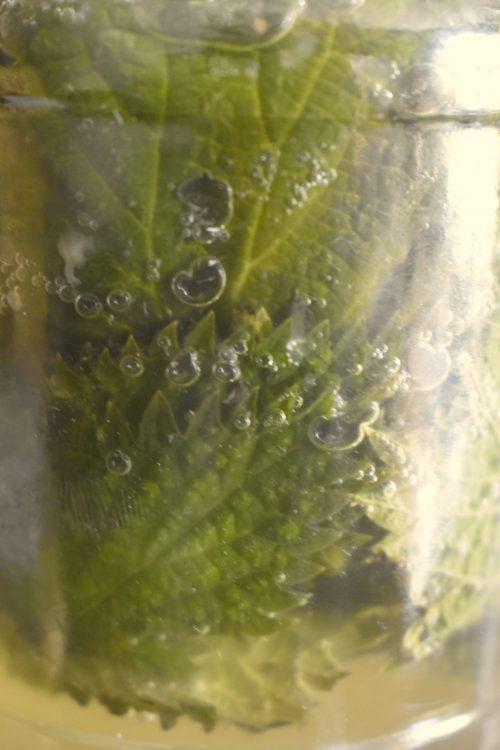
Another little experiment, this time I m playing around with fermenting nettles. Having an abundance of them all around us this time of the year, and having an obession with fermenting everything under the sun, the choice was pretty clear. In addition, by fermenting nettles you not only get the nutritious benefits of the nettleContinueContinue reading “Lactofermented nettles”
Category Archives: Foraging for plants
Nettle- Urtica dioica
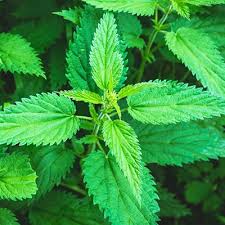
nother beautiful plant that is abundant this time of the year is nettles. A barefoot gardener’s nightmare, nettles are well known for their horrible sting that can dampen your outdoors adventures. That is, however, where the dangers of the nettle plant end. Nettles are fantastic plants for your health. Caution is needed though- it isContinueContinue reading “Nettle- Urtica dioica”
Hawthorn- Crataegus monogyna
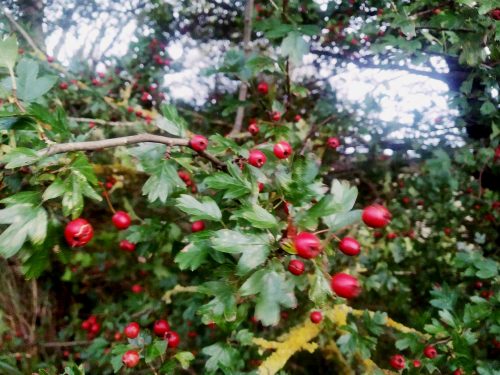
Autumn is here and you can feel it in the air, in the wet mornings, in the fallen yellow leaves becoming the mulch for the new plants to emerge from it, from the faint smell of some early and eager wood burning stoves warming their masters. With autumn comes an abundance of wild fruits andContinueContinue reading “Hawthorn- Crataegus monogyna”
Sea Aster- Tripolium pannonicum
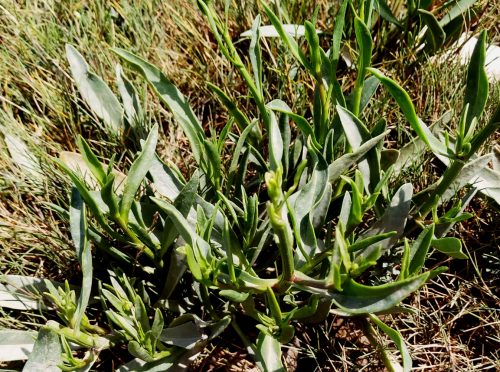
On my foraging walk last week in Silverdale, I happened upon a lovely coastal plant called Sea Aster (Tripolium pannonicum). The name of the plant come from the Greek “‘Αστρᨔ which means “star” because of the shape of the flowers that look like stars. Growing prolifically on the shore inbetween rocks, sea aster is characterisedContinueContinue reading “Sea Aster- Tripolium pannonicum”
Elder- Sambucus nigra
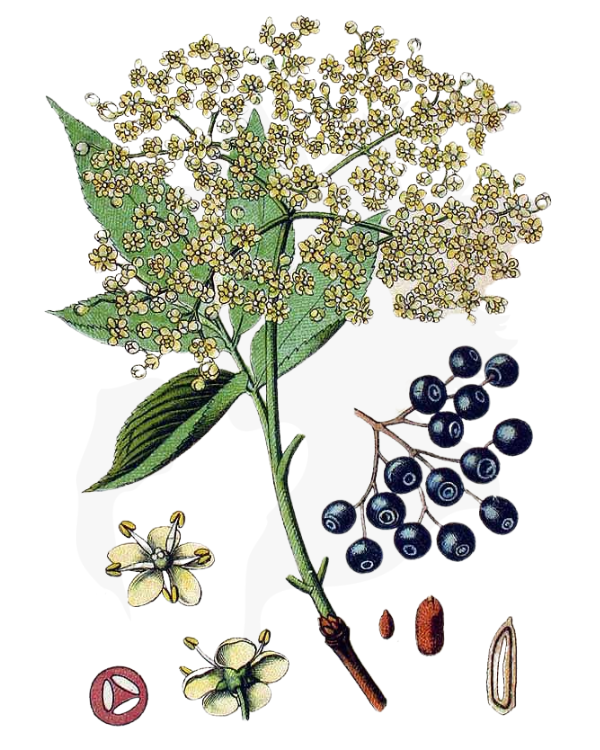
One of the most rewarding things to forage in early summer are the flowers of the Elder (Sambucus nigra) tree. The tree got its name from the Angelo-Saxon word ‘aeld’, which means “to kindle” or “fire.” It got its name because hollowed-out elderberry stems were used to blow on kindling from a safe distance. WeContinueContinue reading “Elder- Sambucus nigra”
 (Fer)mental Greens